Drains and toilets
Slow sinks, backed-up tubs and running toilets can point to a fixture or drain-line issue.
Home services / Plumbing
Find help with household pipes, fixtures, drains and water heaters, from a persistent drip to a new installation.
Drains and toilets · Faucets and fixtures · Pipes and connections · Water heaters
What service can cover
Slow sinks, backed-up tubs and running toilets can point to a fixture or drain-line issue.
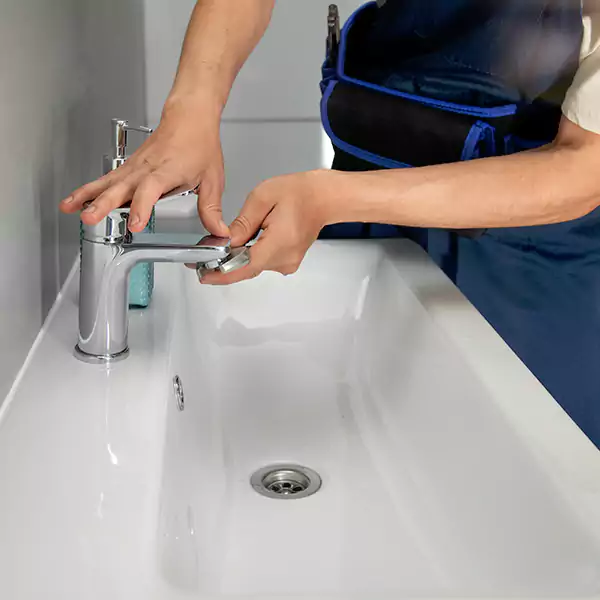
Explore service for dripping faucets, worn valves and replacement kitchen or bathroom fixtures.
Supply and drain lines can be assessed when a connection drips or water pressure changes.
Service can address inconsistent hot water, equipment concerns or installation of a replacement.
A closer look
A new faucet, sink or toilet depends on the supply valves and drain fittings around it. Existing connections, available space and fixture compatibility all help shape the work.
Call (520) 308-9814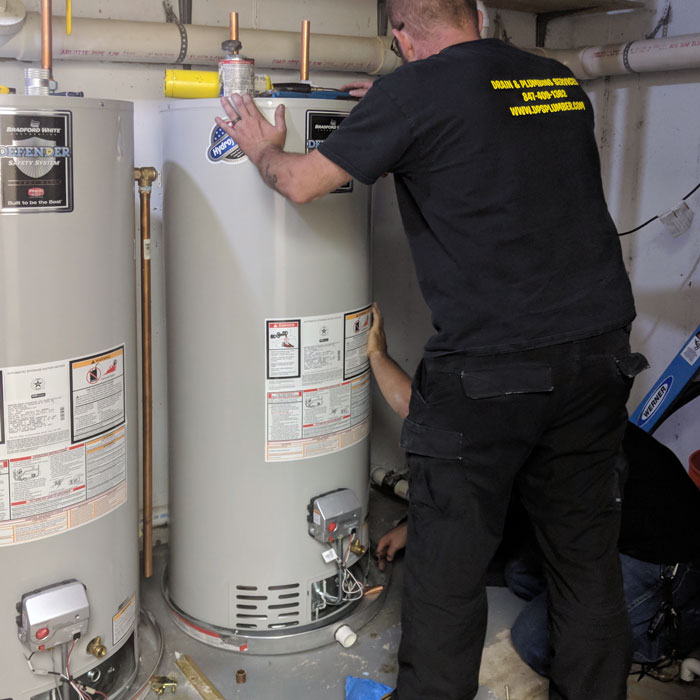
Relocating a sink, toilet or laundry connection can involve more than extending a supply line. Drain routing, vent connections and access behind finished walls or floors all affect the installation plan.
Keep grease and food scraps out of kitchen drains, and remove hair from accessible stoppers. These habits help reduce routine buildup without substituting for service when a drain problem persists.
Water-heater options
The two formats meet hot-water needs differently; household use and installation conditions help determine a practical fit.
Keeps a stored volume of hot water available. Capacity and recovery rate matter when showers, laundry or dishwashing overlap.
Heats water as it flows. Sizing needs to account for the flow rate when more than one fixture may run at once, as well as fuel and venting requirements.
Water controls
Homes commonly have local valves as well as a main shutoff, and they serve different parts of the plumbing system.
Valves under a sink or behind a toilet can isolate that fixture without stopping water to every room.
The main valve controls the home’s incoming supply. Knowing its location helps distinguish a whole-home shutoff from a local fixture valve.
Helpful answers
Hair, grease and other buildup can restrict a single drain. Several slow fixtures may indicate a shared line needs attention.
Fuel type, household hot-water use, space and venting are important factors when choosing a replacement.
If safe and accessible, shut off the appropriate water supply. Keep clear of electrical equipment in wet areas and arrange service.
Call to connect with participating independent providers.